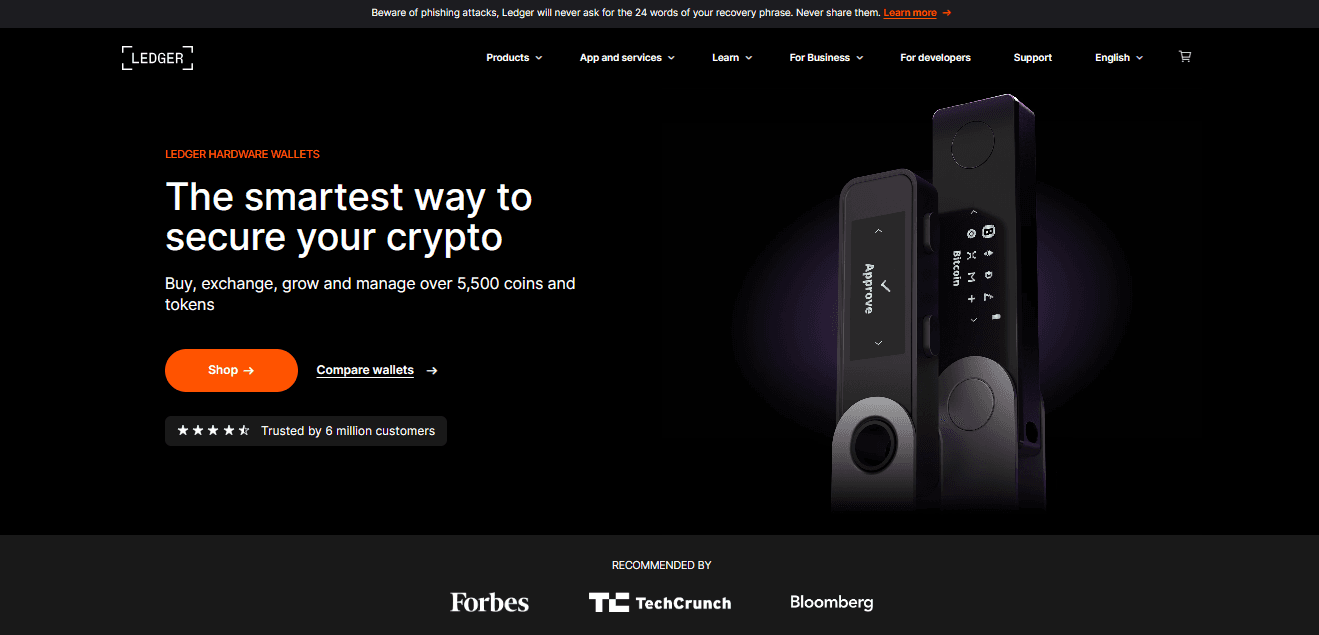
Ledger Login: The Complete Guide to Safe Access and Account Management
Managing cryptocurrency securely requires more than just owning a hardware wallet. It requires a system for verifying device authenticity, accessing official software, updating security settings, and interacting with trusted services. This is where Ledger Login becomes a critical component of the Ledger ecosystem.
Ledger Login is not a typical login system that gives access to your digital assets—your private keys never leave your Ledger device. Instead, Ledger Login provides a safe and authenticated way to access your Ledger account, manage settings, integrate services, subscribe to updates, and maintain your wallet environment with confidence.
This article explores Ledger Login in depth, including its purpose, security framework, step-by-step usage, benefits, troubleshooting, and best practices for safeguarding your crypto.
Understanding Ledger Login
Ledger Login is the official access system for Ledger account holders. When you create a Ledger account through the official portal, you gain access to features like:
Account settings
Device management
Ledger Live preferences
Subscription services
Customer support
News and security announcements
Firmware and software updates
It’s important to understand that Ledger Login does not provide direct access to your cryptocurrency. Your crypto remains secured by your hardware wallet and protected by the recovery seed stored offline. Ledger Login simply manages your account and software settings securely.
Why Ledger Login Exists
The purpose of Ledger Login is to create a secure and unified access point for users interacting with Ledger’s online services. The login portal contributes to safer crypto use by:
Ensuring users always interact with official Ledger tools
Reducing risks of phishing and counterfeit pages
Providing updates and alerts on security risks
Keeping personal and device information organized
Allowing users to manage their Ledger Live settings
Offering a seamless way to access guides and support
Cryptocurrency management involves many moving parts—wallets, firmware, accounts, apps, networks, and private keys. Ledger Login brings clarity to this complexity by offering a single, verified point of access.
How Ledger Login Works
Ledger Login is based on traditional login elements—email, password, and optional two-factor authentication—but with enhanced cybersecurity protections. The login framework is structured around three layers: identity verification, encrypted communication, and account validation.
Identity Verification
When logging in, you confirm your identity by entering your registered email and password. Ledger strongly recommends:
A password at least 12 characters long
A mix of upper and lowercase letters
Numbers and special characters
Avoiding passwords used elsewhere
Encrypted Communication
Ledger uses advanced encryption to ensure that data transmitted between your browser and Ledger’s servers is protected. This prevents:
Credential interception
Session hijacking
Man-in-the-middle attacks
Account Validation
Once logged in, the system verifies that your session is legitimate, ensuring no unusual login patterns, hiding sensitive data behind multiple authentication layers, and logging out inactive sessions automatically.
Ledger Login and Ledger Live
Ledger Login integrates with Ledger Live, the central application for managing crypto on your Ledger hardware wallet. Through Ledger Live, users can:
Install or remove crypto apps
Add multiple wallet accounts
Track crypto prices and portfolios
View transactions
Manage NFTs
Connect to DeFi platforms
Stake cryptocurrencies
While Ledger Live can be used without an online Ledger account, Ledger Login enhances the experience by enabling:
Disaster recovery settings
Cloud-based preferences
Notifications on critical security updates
Linking multiple devices to a single profile
However, private keys never sync to Ledger Login or Ledger Live—they always remain inside your hardware wallet.
Security Advantages of Ledger Login
Ledger Login is designed with strict security protections to prevent unauthorized access. Here are the key elements of its defense system:
1. Two-Factor Authentication (2FA)
Once enabled, users must enter a one-time code generated by an authentication app. This ensures that even if someone knows your password, they cannot login without access to your physical authentication device.
2. Login and Activity Monitoring
Users can view recent login attempts, including time, device, and location. Suspicious login attempts can be flagged or blocked.
3. Email Verification
Whenever major changes are made—password resets, 2FA removal, or new device logins—Ledger sends verification emails to confirm the action.
4. Session Encryption
Ledger uses advanced encryption protocols that secure session data even if your network connection is not fully trusted.
5. Anti-Phishing Features
Ledger regularly warns users about fake login pages and instructs them to access Ledger Login only through:
ledger.com/login
Users should manually type the URL into their browser or use a secure bookmark.
How to Log In to Ledger Safely
Follow these steps to access your Ledger account securely:
Step 1: Go to the Official Site
Always type ledger.com/login into your browser manually. Never click unsolicited links in emails or social media.
Step 2: Enter Login Credentials
Input your registered email and password. If you forget your password, you can use the password reset option securely.
Step 3: Complete Two-Factor Authentication
If you enabled 2FA, open your authentication app and enter the six-digit code.
Step 4: Access Dashboard
Once logged in, you will see your dashboard containing:
Account settings
Linked devices
Ledger Live preferences
Subscriptions
Security alerts
Help desk options
Step 5: Review Security Settings
Verify that your 2FA is active, review recent activity, and update any outdated security preferences.
What You Can Do After Ledger Login
Once inside your Ledger account, you can access several important features:
Account Management
Update your personal information
Change passwords
Activate or deactivate 2FA
Review account activity
Device Management
Register multiple hardware wallets
View device information
Check for firmware updates
Access installation guides
Security Tools
Review login history
Manage authentication devices
Access anti-phishing guides
Enable additional safety features
Support and Assistance
Users can reach official Ledger support directly through the login dashboard. This ensures they avoid scams and receive professional guidance.
Subscription and Services
Ledger may offer optional services such as market updates or cloud-based personalization for Ledger Live (never involving private keys).
Common Ledger Login Issues and Solutions
The most common login problems have simple solutions.
Problem: Forgotten Password
Use the “Forgot Password” link on the login page. Ledger will email a secure reset link.
Problem: Lost 2FA Device
Use your backup codes to regain access. If unavailable, contact Ledger support through the official portal.
Problem: Suspicious Login Attempts
Change your password immediately and enable 2FA. Check recent activity for unknown locations.
Problem: Error Messages
Ensure your browser cache is cleared and that your internet connection is stable. Use updated browsers for compatibility.
Problem: Cannot Access Ledger Live
Remember that Ledger Live login is not needed to access your crypto. Ledger Login only manages account-level settings.
Best Practices for Using Ledger Login
To maintain maximum security, follow these best practices:
Always enable 2FA
Use a unique, strong password
Store backup codes in a secure offline location
Avoid clicking links in emails or chat messages
Access Ledger Login only through the official site
Update your Ledger device firmware regularly
Never share your recovery seed
Ledger will never ask for your recovery phrase—not in emails, chats, or support tickets.
Ledger Login vs. Exchange Login
Ledger Login differs significantly from exchange login systems like Binance or Coinbase.
Exchange Login
Funds stored on exchange wallets
Exchange holds custodial control
Private keys not owned by user
Ledger Login
Funds stored offline on hardware wallet
User has full custody
Private keys never leave the device
This makes Ledger Login much safer because even if the account is compromised, funds cannot be accessed without the hardware device and recovery seed.
The Role of Ledger Login in Crypto Security
Ledger Login is part of a larger ecosystem designed around user autonomy. Unlike centralized exchanges, Ledger ensures that:
You control your private keys
You hold your hardware device
You manage your security preferences
You maintain full ownership of your cryptocurrency
Ledger Login simply provides the online tools needed to support secure, structured crypto management.
Future Enhancements to Ledger Login
As Ledger continues to grow, new features may include:
Biometric authentication options
Enhanced activity alerts via mobile notification
Universal device syncing through encrypted channels
More detailed security audits
Stronger phishing detection tools
These enhancements reinforce Ledger’s position as a leader in secure crypto management.
Conclusion
Ledger Login is an essential feature for any Ledger user. It provides secure access to account management tools without compromising the non-custodial nature of Ledger hardware wallets. By offering advanced security features like 2FA, encrypted sessions, device verification, and secure update notifications, Ledger Login helps users maintain full control over their cryptocurrency environment.
Although it doesn’t store private keys or provide direct access to your funds, Ledger Login plays a crucial role in ensuring that your crypto remains safe, your devices run properly, and your Ledger Live experience stays secure.